
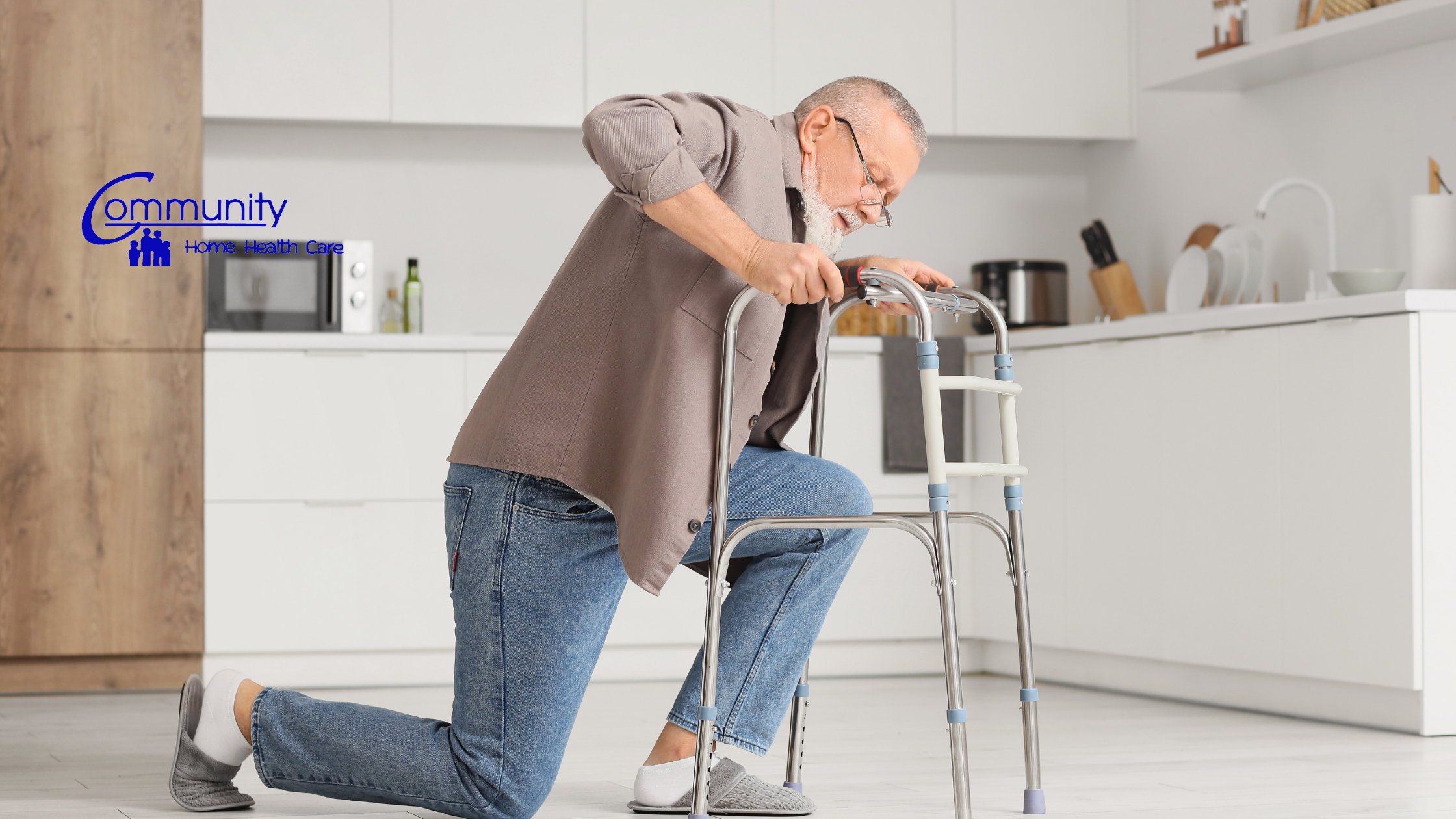
For many older adults, remaining at home represents independence, comfort, familiarity, and connection to the community they know. But as we age, changes in balance, strength, vision, mobility, medications, and overall health can make everyday surroundings more difficult to navigate safely.
Falls are a particularly important concern for older adults. A fall can lead to injury, hospitalization, loss of confidence, and changes in a person’s ability to live independently.
The good news is that many fall risks can be identified and addressed.
For seniors and families throughout Fort Wayne and Northeast Indiana, taking a proactive approach to fall prevention can help create a safer home environment while supporting mobility, confidence, and independence.
Why Fall Prevention Is Important for Older Adults
A fall does not always happen because of one obvious hazard.
Instead, fall risk can develop from a combination of factors. Changes in physical health may combine with medications, vision difficulties, weakness, balance problems, or hazards around the home.
Even an older adult who has lived independently for years may experience changes that make familiar activities more challenging.
Some common factors that may increase fall risk include:
- Muscle weakness
- Changes in balance
- Difficulty walking
- Vision problems
- Certain medications or medication changes
- Dizziness or lightheadedness
- Chronic health conditions
- Foot or footwear problems
- Clutter or obstacles in walkways
- Poor lighting
- Loose rugs
- Slippery bathroom surfaces
- Difficulty getting in or out of chairs or bed
Understanding these risks is an important first step toward creating a safer environment.
Start With a Home Safety Check
Sometimes the biggest improvements begin with simple changes around the home.
Families can walk through the home from the perspective of someone who may have difficulty with balance or mobility.
Pay particular attention to areas the person uses every day.
Clear Walking Paths
Clutter, electrical cords, small furniture, pet items, and other objects can create unexpected obstacles.
Keep frequently used pathways as open as possible, particularly routes between the bedroom, bathroom, kitchen, and living areas.
If your loved one uses a walker, cane, or other mobility device, make sure there is enough space to move comfortably throughout the home.
Look at Rugs and Flooring
Loose or curling rugs can create tripping hazards.
Consider removing unnecessary throw rugs or making sure appropriate rugs are secured.
Pay attention to transitions between different types of flooring as well. Even a small change in floor height can become more difficult to navigate for someone experiencing changes in mobility.
Improve Lighting
Good lighting can make it easier to identify obstacles and changes in flooring.
Check hallways, stairways, bathrooms, bedrooms, entrances, and other frequently used areas.
Nightlights can also help illuminate routes to the bathroom or kitchen after dark.
Pay Special Attention to the Bathroom
Bathrooms can present unique challenges because water, hard surfaces, and changes in position all occur within a relatively small space.
Families may want to consider whether an older adult has difficulty:
- Getting in or out of the shower
- Stepping over the side of a bathtub
- Standing for extended periods
- Getting on or off the toilet
- Maintaining balance on wet surfaces
- Reaching towels or personal-care items safely
Depending on the individual’s needs and professional recommendations, modifications or assistive equipment may help make these activities safer.
An occupational therapist can also help evaluate how an individual performs everyday activities within the home and recommend strategies that support greater safety and independence.
Strength and Balance Matter
The home environment is only one part of fall prevention.
Changes in strength, balance, flexibility, and mobility can also influence a person’s ability to move safely.
An older adult may begin walking more slowly, holding onto furniture, avoiding stairs, struggling to stand from a chair, or becoming less active because they are worried about falling.
These changes should not simply be dismissed as a normal part of getting older.
When appropriate, physical therapy at home may help an individual work on areas such as:
- Strength
- Balance
- Walking
- Mobility
- Endurance
- Transfers
- Safe use of appropriate mobility equipment
A personalized therapy plan can focus on the specific challenges an individual is experiencing.
Fear of Falling Can Affect Independence Too
Fall prevention is not only about physical injuries.
After experiencing a fall—or even a near fall—some older adults become afraid of falling again.
That fear may cause someone to avoid walking, exercising, leaving the house, using stairs, or participating in activities they previously enjoyed.
Over time, becoming less active can contribute to additional weakness and reduced confidence.
Families should take concerns about falling seriously while encouraging appropriate activity based on recommendations from the person’s healthcare providers.
The goal is not to eliminate movement. Instead, it is to help older adults move as safely and confidently as possible.
Review Medications and Health Changes
Certain medications or combinations of medications may contribute to symptoms such as dizziness, drowsiness, or changes in blood pressure.
Older adults may also experience changes in health that affect balance or mobility.
If a loved one has recently begun falling, experiencing dizziness, or seeming unusually unsteady, families should discuss these changes with an appropriate healthcare professional.
Do not discontinue or change prescribed medications without guidance from the prescribing healthcare provider.
A current medication list can also be helpful during healthcare appointments and after hospital stays.
Don’t Overlook Vision, Hearing, and Footwear
Safe mobility depends on more than strength alone.
Vision changes can make it harder to recognize obstacles, stairs, or changes in flooring. Regular eye care and appropriate eyewear can help older adults better navigate their surroundings.
Footwear is important as well.
Shoes that are poorly fitting, difficult to walk in, or inappropriate for an individual’s mobility needs can contribute to instability.
Families can encourage loved ones to choose secure, properly fitting footwear appropriate for their individual needs and environment.
What Should Families Watch For?
Fall risk may increase gradually, which means families do not always recognize the changes immediately.
Watch for behaviors such as:
- Holding onto walls or furniture while walking
- Difficulty getting up from a chair
- Increased trouble using stairs
- Unexplained bruises
- Frequent stumbling
- Changes in walking speed or gait
- Avoiding activities because of fear of falling
- Increased use of furniture for support
- Difficulty getting into or out of the shower
- A recent fall or repeated near falls
These signs do not necessarily mean that an individual can no longer live independently.
They may, however, indicate that it is time to discuss safety, mobility, and healthcare needs with the appropriate professionals.
How Home Health Care Can Support Fall Prevention
For eligible individuals, home health services can address some of the medical and functional factors associated with fall risk.
One advantage of receiving care at home is that healthcare professionals can work with patients within the environment where everyday activities actually occur.
Depending on the individual’s needs and plan of care, home health services may include several disciplines.
Physical Therapy
Physical therapists can work with appropriate patients on strength, balance, mobility, walking, and other physical abilities that influence safe movement.
Occupational Therapy
Occupational therapists can focus on everyday activities and help individuals identify strategies for completing those activities more safely and independently.
Because therapy takes place in the home, recommendations can be specific to the person’s actual living environment.
Skilled Nursing
For individuals with qualifying medical needs, skilled nursing may support management of health conditions that could affect overall safety and recovery.
Nurses can also provide education and communicate significant changes in condition to the appropriate members of the patient’s healthcare team.
Home Health Aide Services
When included in an eligible patient’s plan of care, home health aide services may provide additional support with certain personal-care needs under appropriate professional supervision.
Together, these services can support a more comprehensive approach to health and independence at home.
What to Do After a Fall
If an older adult falls, it is important not to automatically assume everything is fine simply because there is no obvious injury.
Some injuries or health concerns may not be immediately apparent.
Seek emergency medical assistance when appropriate, particularly if the individual has a serious injury, significant pain, loss of consciousness, confusion, difficulty moving, or other concerning symptoms.
Families should also consider discussing falls with the individual’s healthcare provider, especially when falls are recurring or accompanied by changes in strength, balance, medications, or overall health.
A fall can provide important information about changes that may need further evaluation.
Creating a Fall Prevention Plan for an Aging Loved One
Fall prevention works best when families look at the entire picture rather than focusing on one potential hazard.
A practical plan may involve:
- Reviewing the home for hazards
- Improving lighting
- Keeping walking paths clear
- Discussing medications with healthcare providers
- Addressing vision concerns
- Choosing appropriate footwear
- Following recommendations for mobility equipment
- Staying appropriately active
- Discussing changes in balance or strength with a healthcare professional
- Exploring physical or occupational therapy when recommended
The right approach will depend on the individual’s health, abilities, home environment, and healthcare needs.
Helping Fort Wayne Seniors Stay Independent at Home
For many older adults, preventing falls is ultimately about preserving something much larger: independence.
Small changes in strength or balance do not necessarily mean someone has to give up living at home.
Identifying concerns early and putting appropriate support in place can help older adults continue participating in everyday routines with greater safety and confidence.
Community Home Health Care provides professional home health services to eligible individuals throughout Fort Wayne and Northeast Indiana.
Depending on an individual’s needs and plan of care, our services may include:
- Skilled nursing
- Physical therapy
- Occupational therapy
- Speech therapy
- Home health aide services
- Medical social services
- Additional home healthcare support
Our team works with patients, families, physicians, and other healthcare professionals to provide individualized care where many people feel most comfortable—at home.
Concerned About a Loved One’s Safety at Home?
If an aging parent, spouse, or loved one has experienced a recent fall, changes in mobility, difficulty completing everyday activities, or increasing healthcare needs, it may be time to explore whether additional support could help.
Community Home Health Care is proud to serve Fort Wayne and Northeast Indiana families with compassionate, professional home healthcare services.
Check Out Our Recent Posts & Resources
- Medicare and Home Health Care in Indiana: What Fort Wayne Families Should Know
- Fall Prevention at Home: How Fort Wayne Seniors Can Stay Safe and Independent
- Home Health Care After a Hospital Stay: A Guide for Fort Wayne Families
- In-Home Nursing Care in Fort Wayne: When Does Your Loved One Need Skilled Nursing?
- Physical Therapy at Home Fort Wayne: Benefits for Senior Recovery & Independence